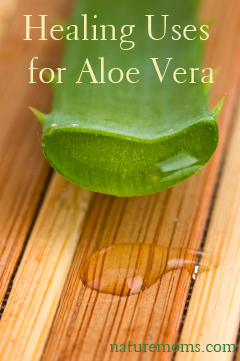
Aloe Vera has been used to heal both internally and externally. Derived from the Aloe Vera plant, it has long, spiked leaves, which are thick-skinned and contain a clear gel-like substance. It is used today in many products, including cosmetics, skin lotions and moisturizers, burn gels and even sun screen creams.
It speeds the healing of many skin injuries, including burns, hives and poison ivy; and also acts as a laxative. For minor burns, the stabilized aloe gel is applied topically to the affected area of the skin three to five times per day. Treatment of more serious burns should only be done under the supervision of a healthcare professional. In addition, apart from providing relief from itching, it helps to heal blisters and sores. For people suffering from Psoriasis, Aloe Vera has provided relief by reducing the pain and itching. It has been proved that the gel causes considerable improvement in the nature of lesions as well.
The laxative element of the plant works by preventing the absorption of water from the bowel. For constipation, a single 50-200 mg capsule of aloe latex can be taken each day for a maximum of ten days. This component of Aloe also kills some bacteria, and is believed to act against a variety of viruses including herpes, chickenpox, and flu. It is recommended not to combine Aloe with other medications that are used to flush water and potassium from the body.
For internal use of aloe gel, two tablespoons, three times per day, is used by some people for inflammatory bowel conditions, such as Crohn’s disease and colitis. However, while commercial gels and juices, which are processed under strict controls, can be found at most health food stores as well as many supermarkets, it is always recommended that one consult a physician before self-treating a medical condition.
[tags]Aloe Vera, disease, Health[/tags]
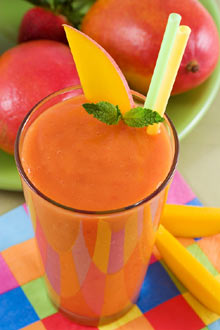
This smoothie is full of antioxidant rich foods like greens, berries, kiwi, and flax, making it a powerful and flavorful way to start the day. Kids love the unusual color.
Makes 4 servings
1 (10oz) package of frozen mixed berries
2 green kale leaves, washed and chopped
1 and 1/2 cups apple juice or filtered water
1 mango, peeled and cubed
1 kiwi peeled and cubed
1 tablespoon ground flaxseed
Place all ingredients in a blender – I suggest the VitaMix – :) and process until smooth and creamy. Serve immediately.
So you have heard all the news of late that chocolate can actually be good for you with all of its natural antioxidant power right? Yes, it’s true! And here at NatureMoms we want to help you get your hands on some of that yummy chocolate. The first three people to comment on this post will get some delicious, antioxidant rich chocolates from Xocai.
Let’s face it. We’re all going to eat chocolate. But you don’t have to feel guilty! Chocolate is actually good for you…it’s all the things added to it that are the problem. Here’s how you can choose delicious healthy chocolates to enjoy anytime.
Health Benefits
The gift of chocolate to a beloved as a token of love is more than just tradition. Naturally-occurring compounds in chocolate produce that mild euphoria of being in love and contribute to enjoyable interpersonal relations by elevating mood and enhancing sensory perception.
Beyond good feelings, chocolate benefits the body in many ways. In moderation, chocolate can contribute to heart health, help you live longer, suppress a chronic cough, and add needed magnesium to your diet. Chocolate even contains a high level of chromium, which can help control blood sugar.
Health Problems
While chocolate itself is fine to eat, there are some substances present in chocolate products that you should watch out for.
Most chocolate products contain tremendous amounts of refined white sugar, which is harmful to health in many ways.
Chocolate may also contain pesticides. The EPA allows various levels of pesticide residue to be present in cocoa powder, and the FDA Total Diet Study found them in many chocolate products.
Many chocolates also contain the toxic metals cadminum and lead. “Significant levels” of these metals were found in 68% of the common chocolate products tested. There is no safe level for lead, and it is particularly harmful to children.
Healthy Chocolate Choices
Here are some guidelines for choosing the healthiest chocolates.
1. Choose chocolates with the least amount of refined white sugar or other sweetener. Dark “bittersweet” chocolates with a high percentage of cocoa solids (usually the label will state the exact percentage) have less sugar than semisweet or milk chocolate and also have the greatest health benefits. Keep in mind that flavor additions, such as dried fruits and candied ginger may also add sugar to the chocolate.
2. Choose chocolates sweetened with evaporated cane juice or barley malt. If the evaporated cane juice used is the unprocessed whole juice of the cane, it acts in the body like a whole food and doesn’t give a sugar rush. Barley malt is also a slow-release sweetener, noted on the label as “grain-sweetened.”
3. Choose organic chocolates. Certified organic chocolate ensures there are no harmful pesticide residues.
4. Make your own chocolates. It’s easy to make many chocolate delights yourself, with the exact ingredients you want. Start with unsweetened cocoa powder or baking chocolate and be creative!
5. Choose quality over quantity. If you are going to eat chocolate, eat really good chocolate. Then, for maximum enjoyment, give the taste of the chocolate your full attention, eat it at a time when you are not famished or overly full, and allow the chocolate to melt in your mouth to make the experience last.
So go ahead and enjoy chocolate, in moderation, as part of an otherwise healthy diet,
Learn more about healthy chocolate at http://www.debraslist.com/food/aboutchocolate.html
Hailed as “The Queen of Green” by the New York Times, Debra Lynn Dadd has been a leading consumer advocate for products and lifestyle choices that are better for health and the environment since 1982. Visit her website at http://www.dld123.com to sign up for her free email newsletters and to browse 100s of links to 1000s of nontoxic, natural and earthwise products.
[tags]Health, Chocolate, Antioxidants, Xocai[/tags]
Would you be surprised to learn that spending a small fortune on beauty products is quite unnecessary? All of the ingredients youll ever need are in your kitchen or pantry cabinet.
Here are two ways in which you can use natural home beauty remedies in a flash.
Olive Oil: You cook and bake with it; but did you know you can use it in a variety of other ways? Because olive oil is chemical free, it can be used on your skin; as a bath oil, moisturizer, massager, and conditioner. For example: You can apply a mixture of olive oil and lemon juice to your skin before bedtime to reduce wrinkles and, at the same time, moisturize your skin. To strengthen your nails, soak them in warm extra virgin olive oil for five minutes. Massage your sore muscles with a mixture of extra virgin olive oil and rosemary. Apply olive oil to dry hair as an overall conditioner. It will leave your hair smooth and shiny.
Oatmeal: Wouldnt you love a facial? Get out the box of oatmeal from your cabinet and begin. This oatmeal facial will not only exfoliate, but moisturize your skin as well. Here are the steps: Take out a package of instant oatmeal; add a half a cup of water; two tablespoons yogurt; two tablespoons of honey and one egg white. Mix the water and oatmeal, then add the additional ingredients. Apply a thin layer to your face. Leave it on for about 15 minutes or until you feel tightness; then rinse your face with warm water.
[tags]Beauty, Home Remedy, Olive Oil, Oatmeal[/tags]
I had the good fortune to come across a wonderful book just the other day. It isn’t normally the subject matter that would have grabbed my attention while standing in Barnes and Noble but I quickly became engrossed nonetheless. The book is called What You Must Do To Escape the Bird Flu.
I knew I would like the book right after reading the introduction in which we meet the author and learn about her motives for writing the book and gain some insight into her life. She is a woman after my own heart….a cancer survivor like myself, a supporter of homeopathic medicine and alternative health, and the director of an organic foods buying co-op.
I went on to read the first chapter with tears in my eyes as I became engrossed in the story of a family that comes into contact with the bird flu after one family member is exposed while traveling. I cry for the mother who loses her husband within days after exposure to the bird flu and must watch her children slip away, all the while becoming increasingly sick herself. I cry for what “could” be.
This is where we learn that we must be prepared for something like this. We cannot be so arrogant as to think that global disasters cannot touch us. We are threatened by many disasters in this day and age: global warming, terrorist attacks, hurricanes, and yes pandemic illness. The question is: If one of these disasters were to find its’ way to our doorstep would we be prepared? And of course that leads to another question…why not prepare yourself, even if you believe you will not ever be affected? “Prepare for the worst and hope for the best.” That is what it comes down too and that is why this book is so important.
I did not know much about the bird flu pandemic of 1918 so it was nice to learn a bit about his chapter in human history. The Chapter “What Did We Learn from the 1918 Bird Flu?” was a big eye-opener and it outlined some of the reasons why that pandemic hit so hard and a BIG factor in that situation according to the author and other sources was stress. The stresses we put on our body…chemical, physical, emotional, and sleep related contribute to our overall health and can make us susceptible to illness. These factors are detailed in the book…and it may shock you to discover what age group was hardest hit by the 1918 flu. It surprised me at first but the logic was overwhelming.
Some other great topics discussed where: the people who will be hit the hardest by Bird Flu, 10 simple things you can do, how to survive if the Bird Flu hits, medical care and home remedies if conventional medicine is not available, and food storage and cooking tips. I was delighted to see that many of the survival skills recommended for us to learn were ones that I already have courtesy of my natural family living lifestyle.
Not only does this book outline the ways in which you can protect yourself in the event of pandemic illness it gives us good information about staying healthy and avoiding illness in general. The information about vitamins, health supplements, and healthy lifestyle practices is great to have. Who doesn’t need that information right? The correlation between an alkaline pH and a body that is a ripe host for viruses and cancers was information that I really needed, having just went through a battle with cancer.
I really enjoyed this book. It is now totally dog eared where I have marked pages with important information or sources that I want to explore further. I have also spent a little too much at Amazon buying books and other products that were referenced by the author. So be warned! But this is one book that a health conscience person should not be without…especially if you are concerned with pandemic illness like the Bird Flu!
And don’t forget to stop by the author’s web site: www.escapethebirdflu.com
[tags]Bird Flu, Health, Illness, Pandemic, Sickness, Book Review[/tags]