5
Feb

SodaStream Super Bowl Commercial Rejected

by Tiffany in Environment

plastic bottle ruining nature

I admit to you that I did not watch the Super Bowl. It did not play anywhere in my home and we attended no parties. My husband and I could give two licks about football so why bother? I guess this also means I missed out on all the wonderfully entertaining commercials but I will survive I think.

Because I didn’t watch I don’t care to get irate about the inappropriate content of the commercials. I have two eyes that are capable of looking away when I see stuff I don’t like anyway. I see no need to sanitize the content of the world and make sure it is all to my liking only. Yet I did get pretty miffed when I heard that SodaStream tried to run an ad that shows how their product can reduce needless waste (via plastic bottles) and that it was rejected. CBS is saying they rejected it because it unfairly disparages Pepsi and Coke but we all know they allow those two companies to attack each other via commercials all the time. I guess it stops being funny when it is done by a company who wants to create consumer change and has a good product that can actually do so.

SodaStream ended up airing an ad but they had to change it slightly to protect the not-so innocent.

The original ad doesn’t even really attack the soda companies, it simply highlights that you can make soda at home and save more than 2,000 bottles a year. Pretty incendiary stuff! CBS better protect us from all that vitriol! Thank goodness we have them to shield the public from its destructive consumer ways and protect the interests of big business. At least we can keep talking about the issue and make sure the ad gets seen…

What do you think of this move by CBS and what do you think of the SodaStream ad?

Tuesday, February 5th, 2013

7 Comments

28
Jan

Green Energy 101

by Tiffany in Environment

Energy is always a hot discussion in politics. Alternative sources and solutions for our energy needs are often discussed and encouraged but we have been using certain forms of energy for so long that some may be confused about how we can utilize greener energy. Recent events (Hurricane Sandy) and discussions about climate change should tell us we need to bite the bullet as a nation and as a planet and invest in alternative energy NOW.

Wind, solar, hydro, and geothermal energy are probably terms you have heard before. You have likely read about them on various blogs and Internet news sites. You have likely seen arguments break out about the long term viability (or lack thereof) of each. Yet you may not know much about them such as the pros and cons, the costs to our environment and our economy, and the potential for individual savings if we were to convert. Here are basic facts about these forms of alternative energy.

1. Solar Energy

solar power
 

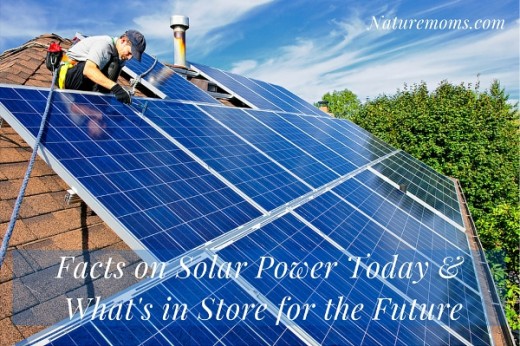
Let’s start with the big daddy. Most people probably think about solar energy first when the subject of alternative energy comes up. This energy method allows us to harness the power of the sun via solar panels that are attached to the roof of homes and corporate buildings. Solar farms exist to collect sunpower on a larger scale even. Solar can be used to meet the energy demands of entire households or entire communities.

Cons:

  • Solar energy can only be aquired when the sun is shining
  • Solar panels can be cost prohibitive and often require special training to install and maintain
  • Sometimes the materials used in making solar panels and cells are not very planet friendly

Pros:

  • Solar energy is clean, renewable, and sustainable
  • Extra power not immediately used can be stored in batteries for later use
  • New companies and technologies are always emerging that will make solar more affordable and accessible.

2. Geothermal Energy

Geothermal

Geothermal energy makes use of the earth’s cooler (in summer) and warmer (in winter) temperatures. Just think about how basements works to understand better. They are often nice and cool during the heat of the summer months and relatively warm in the winter even though they probably aren’t all that well insulated. The temperature of the earth around and underneath them affects the temperature. In a personal residence geothermal heat pumps circulate liquid under the surface to be cooled or warmed depending on the season. This is done on a much grander when geothermal energy is harnessed via the earth’s crust.

Cons:

  • Lots of digging and construction required for geothermal installations
  • The best locations are often far from populated areas (think geysers and volcanoes)
  • High cost
  • Sulfur dioxide and silica emissions
  • Lots of water usage (another resource we must protect)

Pros:

  • Renewable source of energy that is clean with almost zero emissions
  • Almost limitess supply of energy which is constant and not fluctuous like wind/solar
  • Can be built underground and not be seen as an eyesore

3. Wind Energy

wind energy

The wind provides us with another renewable energy source. Even though it comes and goes and has a mind of it’s own it can’t be depleted by human greed. This makes it a very attractive means by which entire communities can be supplied with power. The wind’s energy is harnessed by rotating blades of various shapes and sizes called wind turbines. Wind farms now operate all over the country/world to collect this energy on a grand scale.

Cons:

  • The wind is inconsisent and unpredictable
  • Cost prohibitive
  • Often the best locations are the most picturesque and bring up “eyesore” complaints
  • Turbines can be noisy and also dangerous for flying creatures

Pros:

  • Wind is a renewable, clean energy source
  • The power is basically free after the infrastructure is paid for
  • Abundant power that will not be depleted

4. Hydro Power

hydro energy

Harnessing the power of water for our use is one of the oldest forms of energy and we all know how powerful water can be…just look at the Grand Canyon. In modern times hydro is used mostly by damning rivers and then redistributing the water at high pressure to turn a water turbine and thus create energy.

Cons:
* Damming a river and building a plant is expensive
* Drought can impact production
* Damming a river can be destructive to communities and eco systems with flooding and/or removal of a local water source

Pros:
* Clean and green energy
* Renewable under ideal circumstances as rainfall replenishes the rivers
* Hydro power plants last for a very long time and require less maintanace than other plant types

It is easy to get passionate about converting to greener energy sources and we absolutely must. It is a moral imperative. Yet we must also acknowledge that all of these have certain pros and cons associated with them. We must find the right balance and we must divert more funding to advancing the technology in each of these areas so that the cons list shrinks. These four energy sources represent the major players in green energy and the more we educate ourselves about them and pursue their advancement, the easier it will be to realize the dream of getting rid of dirty energy sources that have deadly impacts on our climate, planet, and our health.

Monday, January 28th, 2013

No Comments

22
Aug

10 Ways for Tweens and Teens to Go Green at School

by Tiffany in Environment

One of the most pressing reasons that so many parents seek to live a greener lifestyle is because they are mindful of the fact that the earth is an inheritance left to the children. What we do or do not do today, can and will be their problem to face tomorrow. This is why raising green kids is so important. Even at a young age they can be made aware of the issues facing their generation. Tween and teens are closer to their inheritance than younger children and they are also more aware of their impact so it is important that they too show a concern for the environment and step up to protect it as their parents have.

This may be a tall order in today’s fast paced world where teens are wired up, plugged in, and in sync with all the latest and greatest that the marketplace has to offer. At every step the media around them is trying to turn them into yet another mindless consumer. The values of mainstream society around them conflict with the green values you hope to cultivate in their minds and hearts. But tweens and teens are more worldly and savvy than ever, so it follows that they are primed to make a real difference and as parents, we can help them. A good place to start is at school…

Here is a list of ways that they can get their green on!

1. Take a solar backpack to school and charge cell phones or other portable devices with the power of the sun.

2. Pack a waste free school lunch each day with a stainless steel Tiffin and carrying bag.

3. Instead of burning CDs use an iPod or a cell phone and charge it with a solar powered charger. Listen to your tunes via iPod, with a sound dock, on your computer, or with an iPod attachment for car stereos.

4. Use planet friendly school supplies such as post consumer recycled paper, eco pens/pencils, and Naked Binders.

5. Go digital! More and more schools are encouraging students to use iPads and laptops and going digital can drastically eliminate paper waste.

6. Help clean up your school by starting a recycling program and a weekly day for volunteer trash pick up to keep the school grounds and surrounding neighborhood areas beautiful. Plan something special for Earth Day and get your classmates involved.

7. Ask the school administrators to host a viewing of eco documentaries like Food Inc, The Cove, or No Impact Man. If the response is lukewarm ask fellow students to sign a petition showing interest.

8. Shop at second had stores and pick up some cool vintage clothing. Second hand clothing is far cheaper and you can create outfits unique to you and your style. Looking like everyone else is way overrated. BUT if you want to look like your peers, thrift stores often carry brand name clothing at a fraction of the original price.

9. When second hand won’t do and you need to buy new…buy organic fibers like organic cotton, hemp, and wool.

10. Use organic and natural shampoos, toiletries, and make-up. Juice Beauty and Style Essentials are two good ones to try.

What other ways can you think of for tweens and teens to make the school experience a little greener?

 Added to the Green Moms Carnival.

Wednesday, August 22nd, 2012

No Comments

24
Apr

Ten Creative Ways to Reduce Our Carbon Footprint

by Guest in Environment

Global warming and the worldwide results of carbon pollution are like the national debt. It’s an overwhelming problem that lots of people would love to fix, but since most of us don’t know anything we can do it seems incurable. While no one individually feels like they can make a difference, all of us will start experiencing the negative difference it increasingly has on our lives. Carbon pollution won’t stop, or even decrease, unless each of us individually learns how to reduce our carbon footprint.

The good news is that there are lots of things you and I can do. Most of them are simple creative changes we can make in our daily routines that cost little or nothing with minimal effort. Here are 10 creative things you can do to decrease your carbon footprint:

1. Shop Online When Possible – Online shopping is a much greener way to buy, as fuel emissions are among the greatest contributors to environmental degradation. In this digital era you can find almost anything you can think of online. Also consider purchasing green friendly items online around the holidays like solar powered race cars for the kids, rechargeable batteries for your home, and other natural products.

2. Hang Up Your Laundry – Driers may get your laundry done faster, but once again, you can save yourself money and help the environment by hanging your clothes instead. They’ll also last longer and have that clean, fresh, summer-day smell.

3. Regularly Replace Your Air Filters – You might do this once per year, if you remember, but it’s time to keep this on a regular 3 month schedule. As simple as this step is, it can reduce energy bills, saving you money and reducing carbon waste.

4. Reuse Grocery Bags or  Bring Your Own Bags – Those plastic bags at the checkout line add up to thousands of tons every year. Instead of tossing them out after putting your groceries away, set them aside for the next time you go shopping, or find other practical uses for them. Better yet, get a couple reusable canvas bags instead!

5. Use Energy Efficient Light Bulbs and AppliancesIt’s very hard to find old-style incandescent bulbs in most stores, but they might still be wasting electricity in your sockets. Compact fluorescent light bulbs are a great alternative, and we should all be using them by now!. They require roughly 70% less energy, for almost the same light output, and often last 10 times longer than incandescent bulbs. Make the investment, and you might be surprised by how much energy you save.

6. Recycle Used Ink and Toner Cartridges Instead of Tossing Them Out – Many printer cartridges contain rare earth metals and other electrical components that the suppliers are happy for you to throw out without batting an eye. Instead of carelessly contributing to e-waste, send your empties to one of the numerous recycling programs, and purchase your toner cartridges from companies that sell recycled or remanufactured versions. Again, not only will you help the environment, but you will also save a lot of money on over priced printing supplies.

7. Buy Recycled Paper and Recycle Your Own Garbage – Paper is a huge annual waste of energy. From cutting trees, to processing in paper mills, transporting, and finally disposing waste paper; paper waste adds a huge strain on the environment. For only a slightly higher cost, which you can justify by saving money with other eco-friendly practices, you can protect a huge number of trees and teach your children the importance of being eco-conscious. Recycling your own garbage is a daily reminder to the kids that each person places a burden on the environment, and we should do all we can to minimize that.

8. Pay Your Bills Online – Another way to reduce waste from paper is to sign up for paperless bill pay, and manage your costs online. You can have a similar saving by reading the news online and cutting subscription to your local paper.

9. Grow Your Own Fruits and Vegetables or Buy Locally – Organic foods help reduce harm from pesticides and preservatives, but the ultimate is to grow your own food. This hobby will eliminate transportation costs, and all the pollution it involves. True, maintaining a garden is mentally rewarding, but we all know that fresh ingredients always taste much better!

10. Track Your Carbon Footprint – Everybody knows that counting calories is one of the best ways to lose weight. Some smartphone apps and websites now offer a similar opportunity where you can track your progress with a carbon footprint calculator. Over time you can see if you’re truly making progress or not, and make the necessary adjustments to your lifestyle. Of course, the more people that work on reducing our collective carbon footprint the better, so spread the knowledge to friends and family!

Tuesday, April 24th, 2012

3 Comments

23
Apr

Skype Earth Day Panel with Good Girl Gone Green

by Tiffany in Environment

Monday, April 23rd, 2012

1 Comment