When I posted about going grain free this week and also eschewing some other foods, I got many comments and emails asking what in the Sam Hill I WOULD be eating. I understand the confusion. As a nourished vegetarian most of my protein came from eggs, dairy, grains, legumes, beans, lentils, nuts and nut butters, greens, and protein supplements. This year I have decided to go grain free and pseudo grain free. This means everything from whole wheat and oats, to rice and Quinoa, is on the chopping block. I am also giving up potatoes, legumes, beans, and lentils. I am restricting dairy to just a small bit of cheese and/or Greek yogurt each day as well.
The comments I got in regards to this were a mixture of confusion (what is left to eat?!) and frustration. It is indeed very frustrating to hear that the foods that have been paraded around in front of you as healthy for all your life, actually aren’t so healthy for you after all. Everyone thinks they have the “right” answer as well. The Weston A. Price folks cling to their lard, tallow, and liver like a security blanket, while the vegetarians and vegans sing the praises of their grains and soy. Raw foodies have wisely ditched the grains but go a bit overboard with nuts and carbs. I have followed all of these diets in the past. None of them seemed to cure everything that ailed me though and recently that has really started to bother me. I truly believe that food should be our medicine and instead of accepting certain nagging health issues as part of life I decided I wanted to get to the bottom of mine. I never imagined that I would want to go paleo or primal and in fact last year I would have said you were out of your cottin pickin mind if you told me I ever would. Those folks are fanatical about meat! And they don’t like dairy, like my beloved yogurt!
So what changed my mind? Actually it was by listening to my own body and analyzing all of my food intake in depth. Thanks to my obsession with SparkPeople.com I have tracked every bit of food that has entered my mouth for over a year. I saw exactly how many grams of carbs, fat, and protein I was consuming as well as all the major vitamins and minerals. It is conventional wisdom that guides Sparkpeople so it is naturally aimed me for a high carb, low fat, moderate protein diet as the goal. Even if I knew that fats were not bad as we have been programmed to believe it still bothered me to get a warning at the end of the day if I went over what they considered healthy. It was almost impossible to eat too many carbs though, which seemed wrong to me. I also had trouble meeting the minimum protein requirements many days.
After I got into weight training I realized my protein load was lacking and my carb load was causing me to feel hungry all day. I was frankly sick and tired of feeling ravenous only an hour or two after a big meal. It got to where I was making dinner for myself later and later because I hoped I would be in bed and asleep before the inevitable after-dinner hunger pangs struck. I knew something was off… my blood sugar and insulin levels. I need protein to keep making gains at the gym. I need less carbs so that I won’t be hungry all the time and be causing my blood sugar to spike all day long. I need more fats in the diet for the same reason… fats are what make you feel satiated and full. My analysis leads me to think I would be better served by a high fat, moderate protein, low carb diet.
If I want low carb then I need to stick to fruits and veggies as my source of carbs and drop any processed carbs that cause blood sugar spikes like grains, rice, potatoes, beans, and the like. After reading books like Wheat Belly I learned of another bazillion reasons to ditch them as well, especially grains like wheat. Going raw again was my first thought but I didn’t want to go crazy with nuts just to get my protein and fat levels higher. They are really hard on the digestive system. I am not a fan of avocados the way most raw foodies are either and coconut products are good but not in massive quantities. Plus raw foodies typically eat metric tons of fruit and dehydrated fruit… ala constant blood sugar spikes yet again. Ironically I had just read a blog post by a raw foodie talking about how many raw food dessert bars they ate in one day, uncontrollably. That sealed it. Lots of dehydrated fruit is no good either because the concentrated sugars will cause you to be ravenous just a short time later as your blood sugar drops. I needed to get off that roller coaster, not find a different version of the same ride.
At the same time I also wanted to address nagging health issues. My thyroid problem was not going away and I am still forced to take meds, something I detest. The hair loss in women is a deal breaker for many, me included. I am also suffering from sleep issues, seasonal depression, some annoying aches and pains, bloating, dry skin, and I broke out like a teenager during a couple of my last menstrual cycles. Yeah, something was way off. It isn’t something I started eating, like the soy-thyroid fiasco, because my diet has been constant, it is most likely something I wasn’t eating.
My research kept leading me back to the paleo or primal diet which is high fat, moderate protein, and low carb (no bad carbs). So why not? Well there is that whole vegetarian thing but I never gave up meat because I thought it was unhealthy to eat. It was out of concern for body acidity and environmental impact that I gave up on meat. I will keep things alkaline by going grain free and the eco issues are solved by buying local, pastured, ethically treated meat and not supporting factory farming. I always said I would go back to eating meat the moment we could raise our own on a small family farm but I guess I can’t wait that long. Of course I will have to put my own spin on the paleo diet and keep most of the fruits and veggies raw, drink my green smoothies, and not forgo dairy entirely. Another big factor is that the rest of my family eats meat and cooking/making different meals has got to stop. It will be such a huge stress reliever to make one meal that all of us eat!
This blog is not vegetarian centric in any way but I know that early this year when I posted a picture of a fish my son caught, some readers acted as though they wanted to come through their computer screens and claw my eyes out. I know some may be disappointed or angry to read I am going back to eating meat but I think I have explained some very solid reasons for doing so. It’s worth a try in my opinion.
I started this diet just before Christmas so it is hard to say with certainty how it is going but I am encouraged thus far that I am on the right track. I am already noticing that I am not experiencing bloating anymore, and I am not hungry between meals. Not hungry AT ALL. In fact I am having trouble getting in all the calories I should be consuming because my body already seems to be using fat stores for energy rather than sending messages to my brain that glucose fuel is needed and I need to eat carbs. I have also been sleeping better already, waking up slightly less in the night. No miracles to proclaim but there is improvement. I look forward to seeing what 2012 brings my way.
Right now I am reading lots about paleo/primal diets. It is based upon meats, seafood, nuts, healthy oils, greens, veggies, and fruit. We all know that previous generations were healthier than our own but rather than eating like my grandmother or my great-grandmother did, I am going back a bit further. The science is there and it is fascinating to read about the way we ate for thousands of years, primal health, and even ways we can exercise that can help us achieve the lean but immensely strong bodies of our ancestors. After reading The Primal Blueprint I was ready to kiss Mark Sisson, whose blog I used to eyeball occasionally but never read in depth, until now. He advises against chronic cardio and shows why that is actually not good for us to run marathons and do extensive cardio as so many do these days. I felt like a lazy slug because I had no desire to run long distances. I am totally content with running a mile or two max (and not every day) and yet all the cool kids seem to be doing marathons and half marathons. Now I am completely content to stick with my mild cardio workouts and weights.
Other Books I am Loving:
The Primal Blueprint Cookbook
Everyday Paleo (pictured above)
The New Evolution Diet
Hope I have answered the “What Will You Eat” question. I wanted to find a happy balance… WAPF with less grains and dairy, raw with more protein and diverse fats, and less sugar/carbs. I think that paleo /primal is a happy middle ground. Is it the “right” way? The jury is still out.
I recently spent a few days at my parents’ house a couple counties away. I always bring a few books with me and enjoy the unplugged time and this particular visit was no exception. Almost as soon as I walked in the door I plopped down on a recliner and pulled out a book I was excited to read, Wheat Belly by William Davis, MD. It was the second book I read in a week that dealt with the issue of eschewing grains from the diet (more on the other book later).
For the new year I decided to make some diet changes. I would consider myself a pretty healthy person who eats a healthy, balanced diet. The nourishing vegetarian, high raw diet I have “mostly” followed since my cancer diagnosis in 2006 has brought me back to health and vitality and yet there are some nagging health issues that have not been cleared up. My thyroid issue, which I am certain was caused by the soy I didn’t even know I was eating, is not reversing itself. I have had trouble getting to sleep and staying asleep for several years now. I think I have a few too many aches and pains for a 34 year old woman to have. As healthy as I may think my diet is, something has to be missing, right? The answer seems to be lurking in the dietary realms in which I did not want to go. Time to man up, or woman up, and go there for 2012.
One major change is that I am going grain free this year. No more wheat for me. I am also adding to my “NO” list rice, legumes, lentils, potatoes, corn, and quinoa. All of these things have either gluten-like components that cause digestive issues and immunity issues or they cause blood sugar spikes which can lead to insulin resistance. After reading Wheat Belly I am more and more convinced that this is the right thing to do. Despite the fact that I already limit grains and/or soak and ferment them, I know that they actually have no place in my diet at all and there is no time like the present to bite the bullet.
The book is essentially about modern wheat’s assault on our health. It follows the evolution of wheat, starting with its much milder, ancestors einkorn and emmer to the drastically hybridized and genetically modified wheat we have today. The early versions of wheat would not be suitable for things like bread and doughnuts; it was more suitable for porridge. It was also not suitable to be grown on a very large scale. Hence human involvement to adapt and change wheat so that it was everything we wanted it to be. Everything except safe for consumption ironically. No studies or tests were done to determine if all these changes we have made to wheat were safe and many scientists, including the doctor who wrote this book, think it is one of the most devastating foods to human health there is. It is a major factor behind obesity, diabetes, intestinal issues, Celiac Disease, compromised bones, heart disease, skin conditions, hair loss, and inflammation like rheumatoid arthritis. The book also explains how wheat is an addictive substance. There are numerous stories about how his patients reversed some very serious health conditions simply by kicking wheat to the curb.
The reason the book is called Wheat Belly is pretty clear from the beginning chapters. Wheat actually causes your body to store fat. It elevates blood sugar almost more than any other carb, including candy bars. It triggers insulin and the growth of fat, especially in the abdominal area. Not only does it make us fatter, it also stresses out our endocrine system with all the glucose spikes. If we eat a lot of complex carbs it’s like a roller coaster ride that never ends. It is no wonder that so many are getting type 2 diabetes. They are wearing these bodily systems out!
Another big sticking point is that wheat and other grains make the body acidic. This, coupled with concerns about factory farming, was why I gave up meat. I did not realize that grains had the same, and even worse, effect. I would have been much better served giving those up instead but conventional wisdom trains us to believe that grains are so good for us. Just think about how many times you read a food package and it says “Heart Healthy Whole Grains”.
There is so much information in this book that I barely knew where to start in reviewing it. I think I have hit on several of the major points but I barely scratched the surface. It is a must read for anyone who is eating grains.
Here is to a great “grain free” year!

I think I may need to do a once monthly column on new food products I have reviewed. Lately here I have been getting more and more food product pitches from companies and have been pleasantly surprised to find some really good eats among the offerings. I don’t buy processed foods all that often but a I do buy some for convenience’s sake if they are healthy enough to justify it. Some of my recent discoveries wowed me enough to ensure that I will keep buying.
The first product I have to mention is Melt Buttery Spread. When I first read the email I only skimmed it and thought it was a pitch for a margarine-like butter substitute. We are big pastured butter fans here. REAL butter with all its healthy and delicious fats. I was just about ready to hit the delete button when I noticed the mention of coconut oil. So then I had to go back through and read more carefully and this time I was intrigued. It is a butter substitute, which I really didn’t have a need for, but instead of margarine with its unhealthy soy oils and transfats, this spread has healthy fats via coconut oil. It is organic, has Omega 3 fatty acids, has no GMO ingredients, is gluten free, soy free, trans fat free, and has no preservatives or artificial coloring. So if it has healthy fats like butter does then why use Melt? It has half the calories. While I do love me some butter I think it is all too easy with nourishing, real foods to overdo it on the portion sizes and calories. I think Melt has provided us with a nice way to enjoy even more of the creamy buttery goodness without so many calories. Its a win win.
Ingredients: Organic oil blend (organic virgin coconut oil, organic palm fruit oil, organic canola oil, organic hi-oleic sunflower oil, organic flaxseed oil), water, organic unsalted butter, sea salt, organic butter flavor, non-GMO sunflower lecithin, tocopherols, annatto-turmeric.
We have used Melt for a couple months now and will keep purchasing if we see it in our local stores. We will keep buying butter too but I can see a place in our frig for both. A whole wheat english muffin just tastes divine with Melt on it because you get just a hint of coconut flavor from the coconut oil. Yum!!
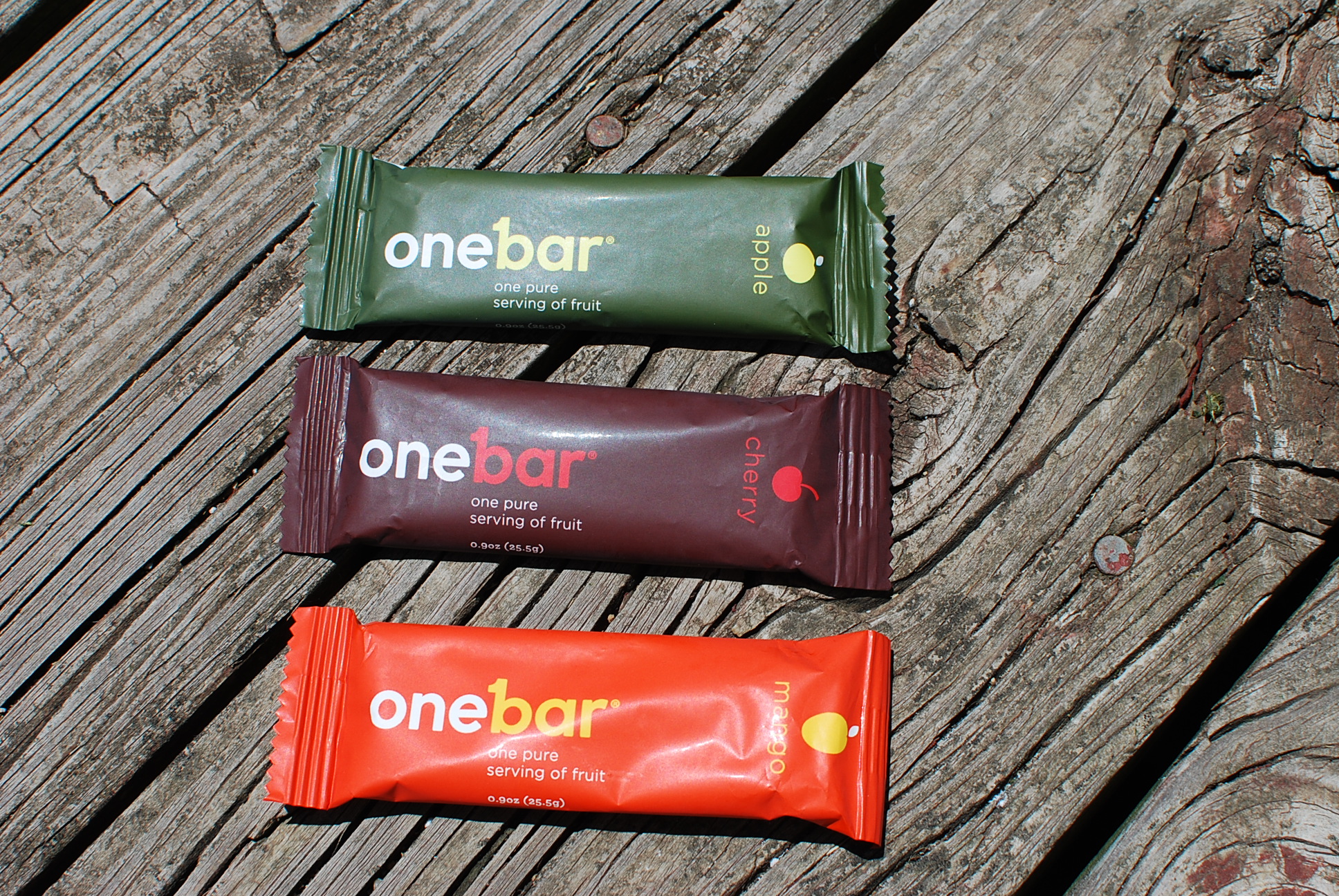
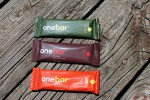
The second stand out winner was That’s it Fruit Snack Bars. I decided to accept some of these because I thought they would be good snacks for the kids. And I am sure they are but I wouldn’t know because none of the bars made it to my kids. I ended up tasting the cherry/apple bar and deciding that these were PERFECT for pre-workout and post workout snacking. They are tasty and satisfying but not overly heavy. Love them! It is seriously hard to find good snack bars and protein bars that are healthy I tell ya.
These taste like real fruit roll ups but they are thick like a Lara bar. The only ingredient in them is fruit so you get 2 servings of healthy fruits with each bar and they have high levels of antioxidants and minerals. The 3 flavors are apple/cherry (1 apple, 10 cherries), apple/apricot (1 apple, 3 apricots), and apple/pear (1 apple, 1 pear). My fave is the apple/apricot. I have always been a fan of dried apricots. My second fave is the apple/pear. You can buy them via their online store or on Amazon. I have continued to buy these and probably will for a long time to come.
While we are talking about snack bars it seems a good time to mention Two Degrees Bars. This company makes healthy, all-natural, gluten-free nutrition bars in three delicious flavors. Two of them are fruit/nut combos and one is a nut/chocolate combo. I got one of each flavor from Klout, a member perk. I loved all of the flavors but sadly they have soy lecithin as an ingredient. They did not seem to adversely affect me the way soy protein isolate does but I cannot help that I am totally anti-soy now. I probably wouldn’t buy them again for that reason. They were delicious though.
Lastly I got a couple loaves of Rudi’s Organic bakery bread to try recently. Their breads are organic and gluten free. They were also tasty as well. We don’t eat that much bread here but I think theirs is a pretty good option compared to most of the products in the bread isle at conventional grocery stores.
Have any new products at your natural grocer knocked your socks off lately?

I have written about eating well on less money many times. This post on affordable organic food is a popular one. Even though I think it is totally possible to eat well and not spend a fortune it can be a difficult and delicate process. I asked fans on my Facebook page how much they spend on food, assuming that they eat mostly organic, whole, nourishing foods. The answers varied but it seemed that families with only 2 or 3 managed to get away with spending only $200-400 per month. When the family size went up to 4-5 the amount rose to an average of $750-$800. I had an inkling that I had gotten a little lazy with my own family’s budget and thanks to Mint.com I was able to quickly see that we spent over $1000 on food in August. This month I put a little more effort into it and I think we will end up around $850. That still seems high to me but what we are paying in money, we are not paying in doctor bills. Food, in my mind, is like a supplemental insurance policy. We almost never have to go see doctors anymore. What once was a large annual expense we wrote off on our taxes is now only a couple hundred dollars a year and that is mostly from preventative stuff like teeth cleaning and state hoops we have to jump through (our two boys both have IEPs).
So once I reminded myself of how healthy we are and how we rarely get sick I stopped feeling guilty about that $850 and started patting myself on the back. I don’t feel a bit guilty about the $65 a month we spend on gym memberships or the gas money we use to get to and from almost every day of the week between the two of us. So why feel guilty about nourishing my body, and my family’s bodies, with the best food? I shouldn’t and I have to let that go. But even so, I like a challenge and the idea that I could whittle that down even further appealed to me. I also happened to run across the book Wildly Affordable Organic: Eat Fabulous Food, Get Healthy, and Save the Planet–All on $5 a Day or Less at the library and it was a great read.
The author, Linda Watson, was inspired to try an experiment in the summer of 2007 when food philosophy and food politics came to the forefront. It was inspired by the work of Michael Pollan and the Food Stamp Challenge whereby some were trying to live on the national food stamp allowance of a dollar a meal. When public figures attempted the challenge and bemoaned how impossible it was, she talked her husband into doing the challenge with her so they could see just how well you could eat on a dollar a day. She also took a full time job outside the home while this was going on so that her attempt would be realistic to the lives of the working class. She and her husband discovered a lot on that journey but perhaps the most important thing was that they could eat healthy food on so little money AND they felt better physically than they had in a long while.
The book has two sets of meal plans. The “green” plan, which is the $5 plan, involves cooking with organic, sustainable, and kindly raised ingredients. The “thrifty” plan picks ingredients with a focus on cost. All recipes are vegetarian because the author is and I think that is awesome because IMO our society is meat obsessed. Whether you decide to be a vegetarian or not I think it is vital to know how to turn out lots of meatless meals, especially if you are on a budget. The meals plans in this book are compatible with the food stamp budget per person allotted by the state where the author lives (North Carolina).
I thought the book was quite excellent. It walks you through a bunch of educational info and pricing information so that you can get a feel for how to save money while still buying the pricier, healthier options. The recipes also look quite tasty although many of them would be adapted in my house to use less grains. I have said it a million times but veggie based cookbooks and recipe plans are heavy on bread and grains. This one isn’t too bad but I would still make some changes here and there.. mostly using a different sweetener here or coconut flour in leu of whole wheat flour there, etc.
The author also gives recipes for making your own bread, yogurt, and pizza dough. I admit that I do not bake my own bread and that is mostly because we do not buy enough or eat enough to justify it. My 5 year old son is usually the only one who demands bread and buying a loaf every two weeks is not breaking the budget. Still I plan on making bread more often over the winter. My sourdough starter has just come out of hibernation (the frig) and I plan to see if I can get a second hand heating pad for helping dough to rise. We already make our own sourdough pizza though I am going to add some of the seasonal toppings recommened in this book. Kale pizza here we come!
I already make yogurt at home but I could do it more because we still buy some at the store as well. We are big yogurt eaters here. Another recipe I want to try is the homemade burger buns. We have some turkey burger enthusiasts in the house and my hubby is always lamenting the crappy ingredients in his burger buns. I think he might like these.
After reading I made a list of ways I think I can whittle down food costs even more without sacrificing the quality of our food and most of that is all about planning better.
How about you? Do you feel that eating well can happen on a food stamp budget?

Awhile back I asked the Natural Family Living Facebook fans what their favorite cookbook was. I am ALWAYS in the market for something new and tasty to cook and the answers provided an excellent mix of real foods and nourishing foods cookbooks. There were also some specialty cookbooks that came highly recommended. Here are the cookbooks that ranked the highest. Enjoy and comment below if you have any suggestions to add!
First on the list was Nourishing Traditions. This was to be expected. I don’t know many real foods enthusiasts that don’t have a copy. It is on my bookshelf as well. Written by Sally Fallon of WAPF fame, it is full of traditional recipes that are nourishing and nutrient dense. It is so well accepted because it challenges the rather modern idea that we need to eat low fat diets. Rather fats and cholesterol are vital to normal growth, proper function of the brain and nervous system, protection from disease and optimum energy levels. If you love your pastured butter and cream you will likely love this book.
Also highly rated was The Art of Simple Food by Alice Waters. Alice is a chef and a food activist who has spent years trying to bring fresh, local, sustainable foods back to our plates. She has even been called the mother of American Food. Her cookbook is full of simple, seasonal recipes that are simply delicious. In my opinion it is like The Joy of Cooking for real food cooks. 4 ingredient soda bread, onion custard pie, nectarine and blueberry crisp… YUM!

The Blue Heron Cookbook (pictured above) is a cookbook full of recipes that are served at the Blue Heron Zen Retreat Center. It is just a fascinating cookbook and the hand drawn pictures just give it such a dreamy, whimsical feel. Recipes we particularly liked where the Banana Bread (which uses whole wheat flour and honey), the Sunday Pancakes, and the Simply Miso Soup. If you have a cook in the family, they would be delighted to get this unique book as a gift.
The Moosewood Cookbook is a classic and one of the best selling cookbooks of all time. Even better it has lots of healthy, real food recipes. Hand-drawn pictures and handwritten recipes make it feel like Grandma’s secret recipe book.
Feeding the Whole Family concentrates on healthy, organic, whole foods meals that everyone in the family will enjoy. Many times it can be tempting to make one dish for the grown ups and something else for the kids but these meals are designed to be healthy and savory while appealing to all family members.
Mediterranean food is considered by many to be one of the healthiest cuisines around. I also happen to think it is the tastiest as well so those that recommended Mediterranean Harvest are gals after my own heart. It has 500 vegetarian recipes from this region. Olive oil and garlic, herbs and spices, tomatoes and eggplants, peppers and squash, figs and peaches, seasonal produce, crusty bread, local cheese, the freshest yogurt, and wine. Yep, this one is a winner.
One of my fave cookbooks that seems to be well received everywhere is A Spoonful of Ginger – Irresistible, health-giving, recipes from Asian kitchens. I love Asian cuisine so any cookbook that helps me replicate some of their most flavorful dishes while keeping it real and healthy gets an A+ in my book. LOVE the sweet and sour soup!
On my wish list is a newer cookbook called Super Natural Every Day: Well-loved Recipes from My Natural Foods Kitchen.
Hungry yet?